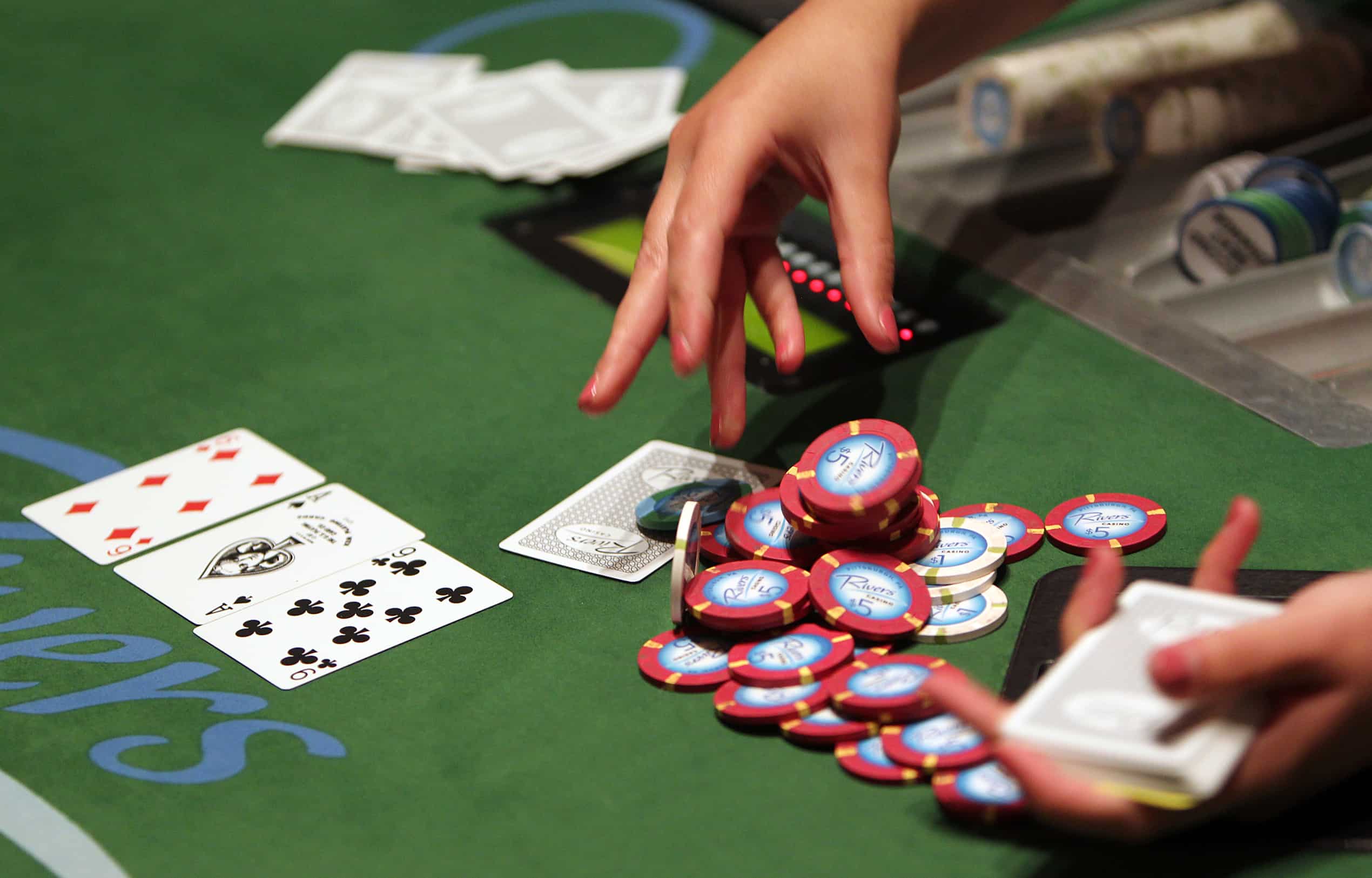

A casino is not built merely to entertain—it is constructed to shape emotion. Every element, from light to sound, contributes to a controlled environment. Platforms like 20Bet casino extend this logic to digital space, using design to manage focus and emotion. The screen becomes a room without walls, where tension and comfort coexist by design.
The Visual Choreography
Color and motion are not random. They serve as a kind of choreography that leads the eye through the interface. Bright cues invite, soft gradients calm, subtle animations sustain presence. The goal is not only to attract but to hold. Each visual detail becomes part of a rhythm meant to delay exit.
The Role of Rhythm
Casinos rely on rhythm more than chance. The alternation of silence and sound, rest and motion, creates a loop that feels natural. Digital platforms refine this further—timers, reels, and subtle transitions regulate tempo. The player synchronizes unconsciously, responding to rhythm as much as to result.
Predictable Uncertainty
Paradoxically, casinos depend on uncertainty that feels predictable. Randomness exists, but it is wrapped in patterns. This illusion of control keeps users invested. The player feels close to understanding, always nearly aligned with the system, but never quite mastering it. The chase itself becomes stability.
Design as Emotional Regulation
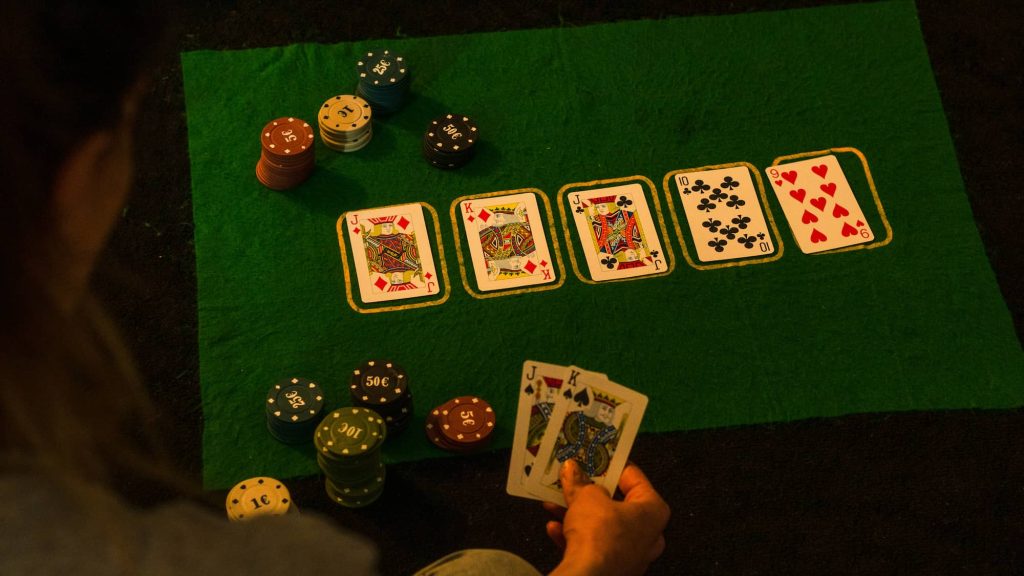
The best casino design doesn’t provoke chaos—it moderates it. Frustration is balanced with reward, risk with reassurance. Digital environments replicate this by managing feedback loops: notifications, small wins, and visual affirmations maintain a steady emotional line. Players experience a controlled rise and fall, never extreme, always sustainable.
The Disappearance of
Time Inside a casino—digital or physical—time loses its normal shape. There are no markers, no natural breaks. Events fold into one another. The user experiences a kind of suspended continuity, where moments are measured not in minutes but in actions. This timelessness deepens immersion, dissolving awareness of the outside.
Memory Sculpted by Design
The player’s memory of a casino is never neutral. It is curated by the experience itself. Wins are highlighted, losses fade. Even the color palette contributes to selective recall—warm hues for success, cooler tones for pause. Memory becomes the last stage of design, ensuring return through emotional residue.
Ritual in Motion
Every action in a casino becomes ritualized. Spinning, selecting, confirming—all are repeated gestures that provide stability. The ritual hides repetition within pleasure, making predictability desirable. What looks like risk is actually the comfort of rhythm disguised as spontaneity.
Beyond Space
The modern casino no longer depends on walls or architecture. It exists within systems of attention, pattern, and feedback. Design replaces geography. The space that matters is not physical but psychological—a network of cues and responses that continues even when the screen closes.
